The Art of Making Adire: A Journey Through Tradition, Creativity and Craftsmanship
· 6 min read
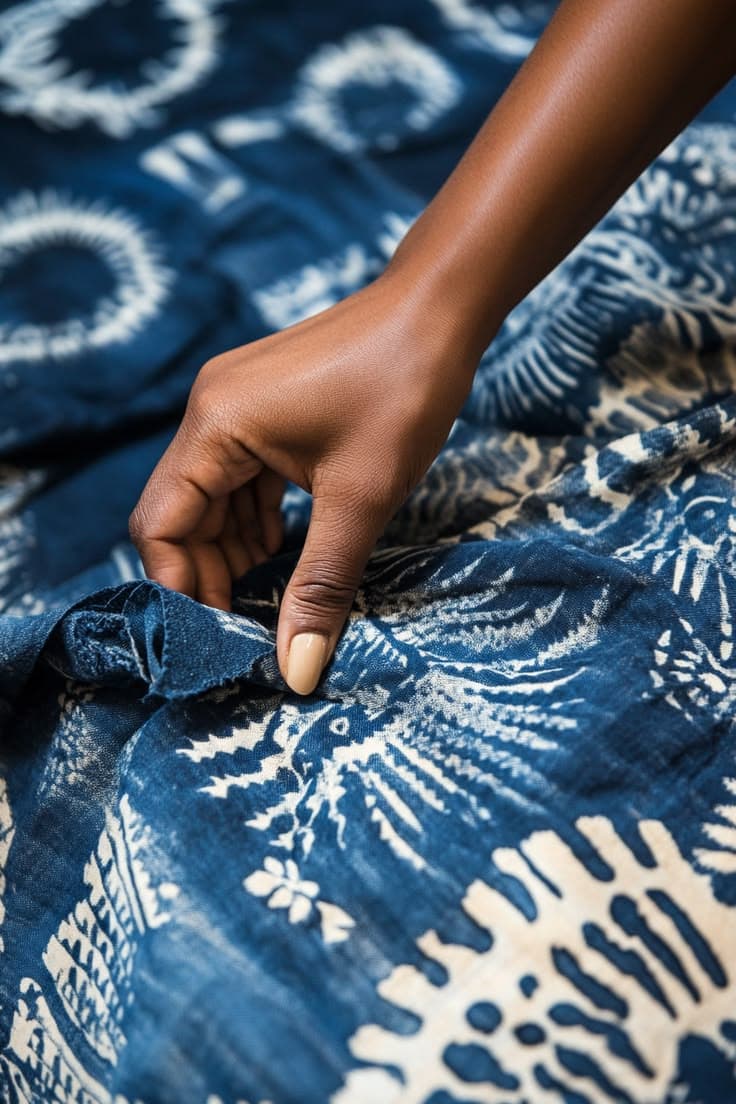
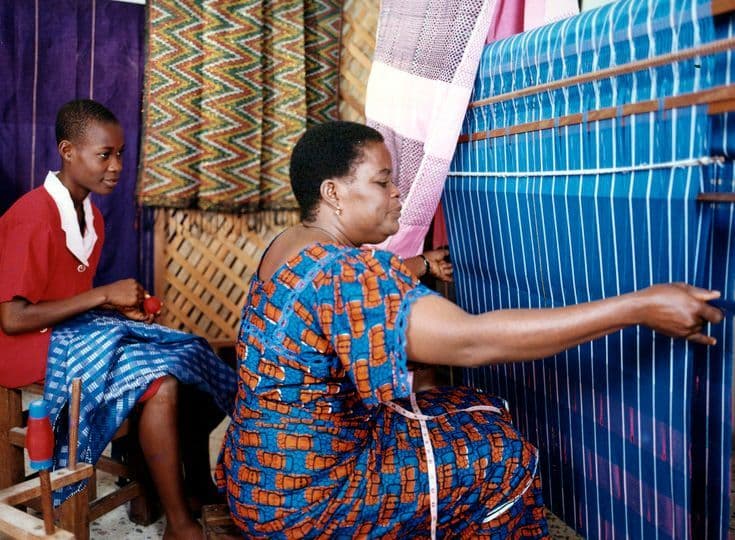
Behind every beautiful Adire fabric is a story of patience, creativity, and cultural expression. Recognised for its distinctive patterns, captivating designs, and rich indigo tones, Adire is one of the most treasured textile traditions in Nigerian fashion.
Originating from the Yoruba people of southwestern Nigeria, particularly communities such as Abeokuta, Adire has been practised for generations. What makes this fabric remarkable is not simply its appearance, but the traditional techniques and artistic processes through which its patterns are created.
Unlike ordinary printed fabrics, Adire carries the impression of human creativity in every design. Each piece reflects the skill of the artisan, the character of the materials, and a tradition that continues to inspire modern fashion.
What Exactly Is Adire?
The word Adire comes from the Yoruba language, combining adi (to tie or bind) and re (to dye). The name describes the resist-dyeing techniques used to create its distinctive patterns.
Traditionally, Adire is made using locally woven cotton fabric and indigo dye. Parts of the fabric are treated or protected so that they resist the dye, leaving behind beautiful patterns when the protective materials are removed.
The result is a textile characterised by contrasting shades, intricate motifs, and distinctive designs. Although indigo blue remains its most recognisable colour, contemporary Adire also appears in a variety of colours and creative interpretations.
The Materials Behind the Craft
Making traditional Adire requires a combination of textile materials, natural dyes, and specialised tools. While the exact materials vary depending on the technique, some of the traditional essentials include:
Cotton fabric: A natural textile that serves as the foundation for the designs.
Indigo dye: A natural blue dye traditionally used to give Adire its distinctive appearance.
Cassava paste: Used in certain techniques to create patterns by preventing selected areas of the fabric from absorbing dye.
Thread and raffia: Used to tie, stitch, or bind sections of the fabric before dyeing.
Dyeing containers: Large vessels used to prepare and hold the dye.
Each material plays an important role in producing the patterns and colour variations that make Adire unique.
How Adire Is Made: The Traditional Process
The making of Adire involves several stages, each requiring attention to detail and a good understanding of textile craftsmanship. Three traditional techniques are particularly recognised: Adire Oniko, Adire Alabere, and Adire Eleko.
1. Adire Oniko: The Art of Tying
Adire Oniko is created through a tying and binding technique. Before the fabric enters the dye, selected sections are tightly tied using thread, raffia, or other binding materials.
These tied sections resist the dye, creating beautiful circular shapes, lines, and irregular patterns when the bindings are removed.
The arrangement of the ties determines the final design, allowing artisans to experiment with different patterns and combinations.
<em>It is a beautiful demonstration of how simple materials and thoughtful craftsmanship can transform ordinary cotton into an expressive work of art.</em>
2. Adire Alabere: The Beauty of Stitching
Adire Alabere uses stitching to create intricate patterns on fabric. The artisan carefully sews selected sections using thread before the material is dyed.
Once the dyeing process is complete, the stitches are removed, revealing areas that have resisted the dye. Depending on the stitching pattern, the finished fabric may feature delicate lines, geometric shapes, and beautifully detailed motifs.
This technique requires patience and precision, as the final appearance depends largely on the arrangement of the stitches.
3. Adire Eleko: The Art of Cassava-Paste Decoration
Among the traditional Adire techniques, Adire Eleko is particularly fascinating because of its use of cassava paste.
In this process, artisans apply a prepared paste to selected areas of the fabric using tools such as feathers, brushes, or carved stencils. The paste acts as a resist, preventing the covered sections from absorbing the indigo dye.
After dyeing and drying, the paste is washed away to reveal the patterns beneath it.
Adire Eleko is especially admired for its elaborate motifs, which may feature symbolic shapes, natural elements, everyday objects, and artistic representations of Yoruba culture.
The Role of Indigo in Adire Making
Indigo is central to the identity of traditional Adire. Its deep blue shades give the fabric much of its distinctive character and visual appeal.
Traditionally, indigo dye was prepared through a fermentation process involving indigo leaves and other materials. Preparing and maintaining the dye required considerable knowledge, as artisans needed to understand how to achieve the desired colour intensity.
Depending on the dyeing process, fabric preparation, and number of dyeing sessions, the resulting shades could range from lighter blue tones to much deeper indigo hues.
The relationship between the fabric and the dye is what makes each finished piece visually interesting. Even when similar techniques are used, variations in pattern and colour give individual fabrics their own character.
More Than Fabric: A Cultural Heritage
Adire is much more than a textile tradition. It represents generations of Yoruba creativity, craftsmanship, and cultural identity.
For many years, the craft has provided opportunities for artisans, particularly women, to develop specialised skills and contribute to local textile production and trade.
Abeokuta, in Ogun State, remains one of the most recognised centres associated with Adire production. Its textile history has helped preserve and promote the craft, attracting the interest of designers, collectors, and visitors who appreciate traditional African textiles.
Today, Adire continues to evolve as contemporary designers introduce new colours, patterns, and applications while drawing inspiration from traditional techniques.
Adire in Contemporary Fashion
The beauty of Adire lies in its ability to remain relevant across generations.
What was traditionally worn as everyday clothing or used for special occasions has found a place in modern fashion. Designers now incorporate Adire into flowing dresses, tailored shirts, skirts, trousers, jackets, and coordinated outfits.
Its distinctive patterns also make it suitable for accessories and interior-inspired designs.
Whether styled as a statement piece or incorporated into a more understated outfit, Adire offers a unique way to celebrate African textile heritage while embracing contemporary fashion.
Preserving the Art of Adire
As fashion becomes increasingly influenced by mass production and modern printing technologies, preserving traditional textile techniques remains important.
Supporting local artisans, appreciating handmade craftsmanship, and creating awareness about the history of Adire all contribute to keeping this cultural tradition alive.
Understanding how a fabric is made gives us a deeper appreciation of the work behind it. Every tied section, carefully placed stitch, and hand-applied pattern represents time, knowledge, and creativity.
A Tradition Worth Celebrating
From the first preparation of the cotton fabric to the final reveal of its intricate patterns, making Adire is a remarkable journey of artistic expression.
Its beauty is found not only in its colours and designs but also in the craftsmanship and cultural heritage woven into every piece.
At Ankora, we celebrate the stories behind African fabrics and the talented hands that bring them to life. Discover the beauty of Adire and explore the many ways this timeless textile can become part of your personal style.
Every pattern tells a story. Every fabric carries a tradition.
Ready to pick your cloth?
Shop all fabrics