The Origin of Akwete: Discovering the Heritage of Nigeria's Handwoven Textile
· 6 min read
Some fabrics are admired for their beauty, while others are treasured for the stories they carry. Akwete belongs to both worlds. Known for its intricate patterns, distinctive texture, and remarkable craftsmanship, Akwete is one of Nigeria's most celebrated traditional handwoven textiles.
Originating from Akwete, a community in the Ndoki area of present-day Abia State, southeastern Nigeria, this remarkable fabric represents generations of Igbo creativity and textile craftsmanship. Its history is closely connected to the cultural identity of the people who developed, preserved, and passed down the art of weaving.
Today, Akwete is recognised not only as a beautiful traditional fabric but also as an important expression of Nigeria's rich textile heritage.
Where Did Akwete Originate?
Akwete fabric takes its name from the community where its traditional weaving practice became particularly established: Akwete, in Abia State, Nigeria.
The community has a long association with handloom weaving, an artistic tradition that has been practised and passed down through generations. Historically, weaving was an important part of community life, with skilled women playing a significant role in producing textiles for clothing, ceremonies, and trade.
Over time, the distinctive weaving techniques and designs associated with Akwete gained recognition beyond the immediate community. The fabric became appreciated in different parts of Nigeria for its quality, intricate patterns, and cultural significance.
Although its popularity has grown over the years, Akwete remains deeply connected to the community that gave it its name.
The Women Behind the Weaving Tradition
One of the most remarkable aspects of Akwete is the important role women have played in preserving its weaving tradition.
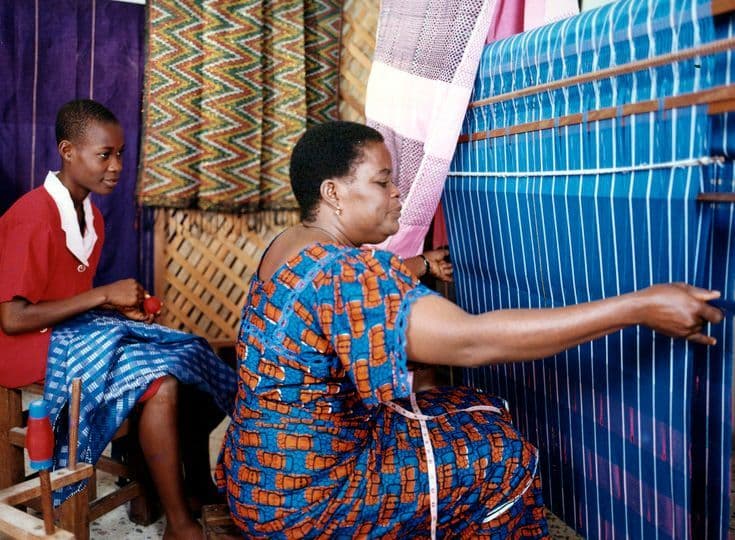
Historically, the craft was largely practised by women who developed specialised weaving skills and passed their knowledge from one generation to another. These women were not simply textile producers; they were custodians of an important cultural tradition.
The knowledge required to produce Akwete was traditionally acquired through observation, practice, and mentorship. Younger generations learned from experienced weavers, gradually developing the patience and technical ability needed to create intricate designs.
This generational transfer of knowledge helped sustain the craft and establish Akwete as an important part of the community's cultural identity.
How Is Akwete Fabric Made?
Unlike factory-printed textiles, traditional Akwete is produced through a handweaving process. Its patterns are created during the weaving itself rather than simply printed onto an already finished piece of fabric.
The traditional process involves several important stages.
1. Preparing the Yarn
The process begins with the preparation of yarn, traditionally made from cotton. Depending on the particular fabric and weaving practice, different yarn materials and colours may be incorporated.
The threads are carefully prepared and arranged to form the foundation of the textile.
2. Setting Up the Loom
The prepared threads are arranged on a traditional loom. This creates the framework through which the weaver will construct the fabric.
The arrangement of the threads is important because it influences the structure, appearance, and final pattern of the textile.
3. Weaving the Patterns
This is where the skill of the artisan becomes particularly evident.
Using traditional weaving techniques, the weaver carefully interlaces the threads to produce intricate patterns, geometric arrangements, and decorative motifs.
Different colours and weaving arrangements can be combined to create distinctive designs. The process requires concentration, experience, and considerable patience.
4. Finishing the Fabric
Once the weaving is complete, the fabric is carefully removed from the loom and prepared for use.
The finished textile showcases the patterns, colours, and textures created throughout the weaving process.
Each piece represents the time and craftsmanship invested by the weaver.
What Makes Akwete Different from Other Nigerian Fabrics?
Nigeria is home to several remarkable textile traditions, including Adire, Aso Oke, and George fabric. While each has its own history and production methods, Akwete stands out because of its distinctive handwoven construction.
Its patterns are integrated into the structure of the fabric, giving it a unique appearance and texture.
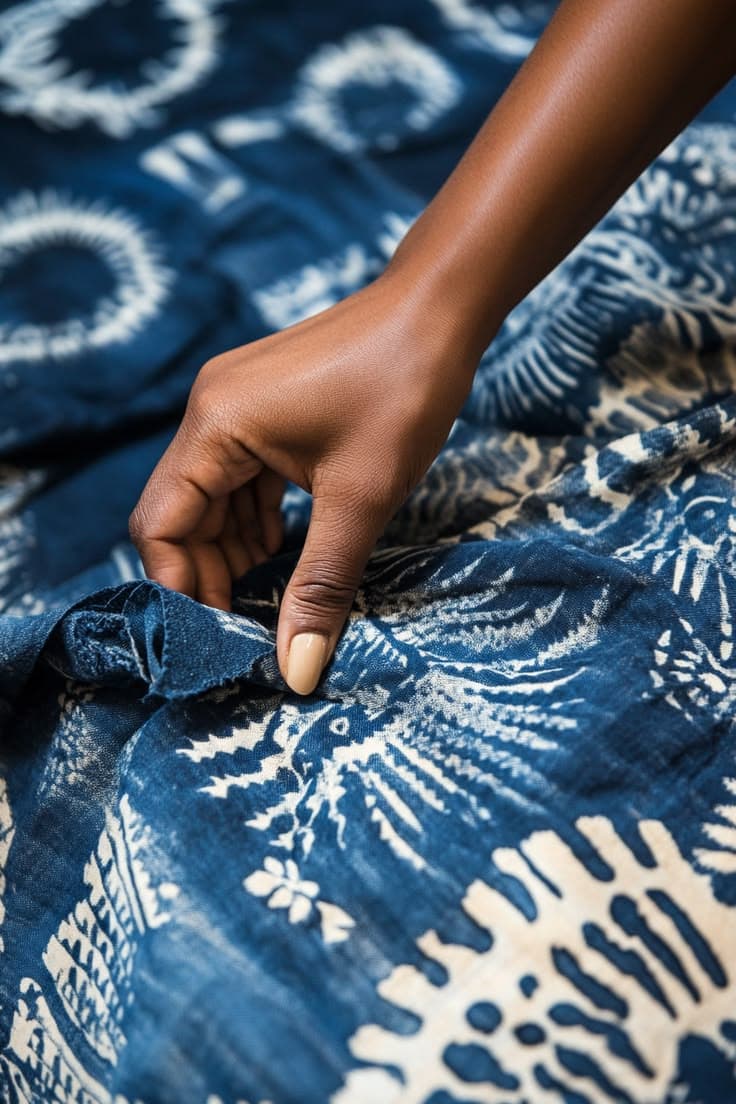
Unlike Adire, which traditionally uses resist-dyeing techniques, Akwete derives its designs from the arrangement and interlacing of threads during weaving.
Similarly, although Akwete and Aso Oke are both traditional handwoven textiles, they originate from different cultural communities and have their own distinct weaving traditions.
These differences make Akwete an important part of Nigeria's diverse textile landscape.
The Cultural Significance of Akwete
Akwete is more than a material used to make clothing. It represents the artistic heritage, identity, and craftsmanship of the people associated with its production.
Traditionally, the fabric has been worn during important cultural occasions, celebrations, and ceremonies. Its distinctive appearance makes it a meaningful choice for people who appreciate clothing that reflects cultural heritage.
The textile has also contributed to local economic activities by providing opportunities for skilled weavers and traders.
Beyond its practical uses, Akwete tells a story of creativity passed through generations. Every woven pattern reflects a tradition that continues to connect contemporary fashion with its cultural roots.
Akwete in Modern Nigerian Fashion
Although deeply rooted in tradition, Akwete has found a place in contemporary fashion.
Modern designers and fashion enthusiasts continue to explore its versatility, incorporating the fabric into dresses, jackets, skirts, traditional outfits, and statement pieces.
Its textured appearance makes it particularly interesting for garments that celebrate craftsmanship and individuality.
Akwete can be styled for traditional ceremonies and special occasions or incorporated into contemporary outfits that give the textile a fresh interpretation.
As interest in African fashion and locally produced textiles continues to grow, Akwete offers an opportunity to appreciate traditional craftsmanship through modern design.
Preserving the Legacy of Akwete
The preservation of Akwete weaving is an important part of protecting Nigeria's cultural heritage.
As industrial textile production becomes increasingly widespread, traditional handweaving practices deserve continued recognition and support.
Supporting local weavers, appreciating handmade textiles, and introducing younger generations to traditional weaving techniques can help sustain this important craft.
It is equally important to recognise the people and communities behind these fabrics. Understanding where Akwete comes from allows us to appreciate not only its appearance but also the generations of knowledge and skill responsible for its creation.
A Heritage Woven into Every Thread
From its origins in Akwete, Abia State, to its growing recognition in contemporary African fashion, this remarkable textile remains a symbol of Nigerian creativity and craftsmanship.
Its intricate patterns, distinctive texture, and traditional weaving techniques make it a fabric worth celebrating.
Akwete reminds us that some of the most beautiful things in fashion are created not simply through design but through generations of knowledge, patience, and artistic expression.
At Ankora, we celebrate the heritage behind every fabric and the artisans who keep these traditions alive. Discover the beauty of Nigerian textiles and explore fabrics that bring together culture, craftsmanship, and timeless style.
Woven by hand, preserved through generations, and celebrated for its heritage.
Ready to pick your cloth?
Shop all fabrics